AI-first integration systems
Turning scattered information, unclear decisions, and tool boundaries into flows that teams can understand, test, and ship.
Builder Archive
Michael Hensen builds AI-first software systems by testing the boundaries of a problem, looking just beyond the requested scope, and turning useful extra possibilities into practical functionality.
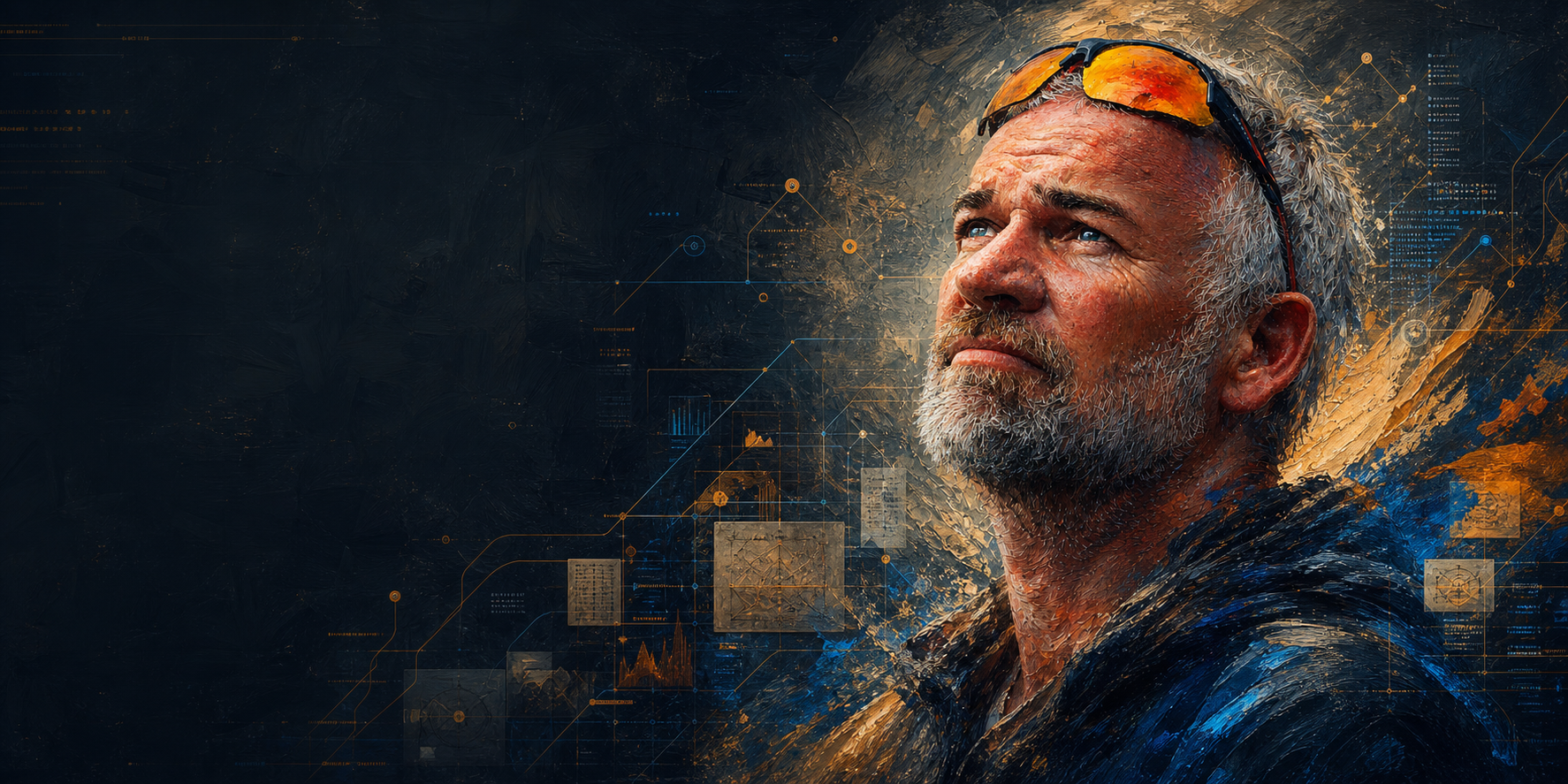
Thirty years of software building, now focused on AI-assisted products, automation, local-first tools, and systems that make complicated work easier to act on.
Open skies, clear systems
Michael Hensen lives in El Gastor, Spain, near Algodonales. For 28 years, paragliding has shaped how he thinks: read the conditions, reduce unnecessary drag, choose the cleanest line, and move only when the lift is real. The same mindset carries into his work.
Collections
Turning scattered information, unclear decisions, and tool boundaries into flows that teams can understand, test, and ship.
Systems shaped into clear layers: interface, workflow, domain rules, storage, background work, operations, and observability each with their own responsibility.
Utilities and products where sensitive data stays close to the user, and trust is treated as architecture rather than copy.
Audits and content structures that make websites easier for AI systems to understand, cite, and explain correctly.
Agent workflows, deployment loops, media pipelines, and prototype machinery built to get from idea to working evidence faster.
Small, focused software products shaped around real user friction, fast validation, and a bias toward working slices.
How Michael works
Starts with the real workflow. Not the ideal diagram, but the people, data, exceptions, and existing constraints.
Builds vertical slices early. Thin working paths reveal more than long theoretical plans.
Decouples responsibilities. Interfaces, rules, data, jobs, and deployment concerns are separated so each layer can change without pulling the whole system apart.
Uses AI as leverage. Faster exploration, stronger documentation, better checks — never a substitute for judgment.
Documents decisions. Constraints, rejected paths, risks, and tests are part of the product memory.
How Michael thinks
Understand the messy workflow before drawing the clean diagram.
Separate responsibilities so each part can evolve without pulling the whole system apart.
Working slices, tests, logs, and user signals decide what deserves more time.
Trust belongs in architecture, data handling, and defaults — not only in marketing copy.
Use it to explore options, check assumptions, and shorten feedback cycles; keep judgment human.
AI in the daily cycle
Michael uses AI throughout development to explore adjacent possibilities, compare options, draft structure, generate tests, review changes, and keep decisions visible. The goal is to see more of the problem space without losing engineering judgment.
Explore faster. Map unfamiliar code, summarize constraints, and expose hidden coupling before changing anything.
Design with alternatives. Ask for competing approaches, trade-offs, failure modes, and the smallest useful path.
Develop test-first. Use AI to shape regression tests, edge cases, and safety checks before implementation settles.
Review critically. Run cleanup, security, privacy, and maintainability passes instead of trusting the first working version.
Document the why. Capture constraints, rejected paths, verification, and next risks as part of the development memory.
The builder’s loop
Not a rigid process — a repeatable rhythm for moving from friction to proof without adding unnecessary drag.
Patterns from the archive
Migrated legacy business logic into a modern layered platform.
Designed AI-guided integration flows for complex data systems.
Built local-first utilities where privacy was a product constraint.
Created audit frameworks for AI search visibility and structured content.
Deployed lightweight validation sites with payment, signup, and operational monitoring.
Contact